
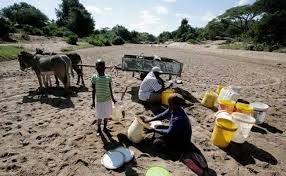
For the third consecutive year, Zimbabwe witnessed one of the driest years during the 2019/20 summer agricultural season. The meteorologists had given a forecast before the onset of rains that the agricultural season was promising and Southern Africa was to receive normal to above normal rainfall. It was indeed good news to Zimbabwean farmers who had witnessed a drought in 2019. Maize, which is a staple diet in Zimbabwe, failed dismally in 2019. Out of the eight provinces where farms and rural areas are located, hardly two provinces managed a good harvest. The government had to import the maize to feed the starving populace. The World Food Program (WFP) also came on board to feed the most vulnerable. According to the figures released last year, 4 million Zimbabweans (some 27% of the country’s population) needed food aid during what they called lean season (October-March 2020).
To worsen the situation, the Zimbabwean dollar continued to plunge against the US dollar. In Zimbabwe, there are no agricultural subsidies. Instead, there is what is called the Presidential Input Scheme which targets around 900 000 families annually. Under this scheme, the beneficiaries receive maize seed and artificial fertilizers (1x 50kg Compound D, 1x 50 kg Ammonium Nitrate/ Urea, 1×50 kg Lime and 1x10kg maize seed). This Input Scheme is meant for subsistence farmers who are the bulk of the farmers in the country. There is another scheme which is meant for commercial farmers where the farmer gets the inputs advanced to him/her and repays after harvesting. The erratic rainfall pattern in the country makes such programs fail and the farmers are left to carry the costs on their own. No compensation is given to farmers in the event that their crops fail and they do not harvest anything.
Traditionally the summer cropping season runs from November to March on a good year but over the last two decades Zimbabwe has experienced more droughts than successful seasons. Such a situation has forced some new farmers to abandon growing crops and look for other opportunities in other sectors. The successive failure has dealt a heavy blow to mainly new farmers. Coupled with the high cost of inputs, some of the would be farmers now think it’s better to import maize and sell than to grow it locally. Currently a ton of maize is selling at US$300. The government subsidizes the price of maize when it sells to millers as a way of controlling the price of mealie meal. A 5kg of mealie meal sells between US$3.50-$5 at retail price. The level of production stands at 30% which means the country is producing very little. The price of cooking oil is also very high because the raw materials (cotton seeds) used to make cooking oil are also imported.
According to Zimbabwe National Water Authority (ZINWA), a government department responsible for supplying bulk water in the country, the average level of water in the dams stands at 50%. Wheat farmers struggled this season to water the crop which is grown in winter because of very low water levels in dams scattered around the country. Since the Meteorological Services Department (MSD) has issued a forecast of normal to above normal rainfall for the 2020/21 agricultural season, the nation is pinning its hopes on that. Perhaps the rains will replenish the already depleted water bodies in the country and bring new hope to farmers to rethink growing crops and feeding the nation.
Story written by Danis Ngwenya danisngwenya@yahoo.com +263773586444
 Emmanuel Gameli Dovia
 Winnie Luwembe