
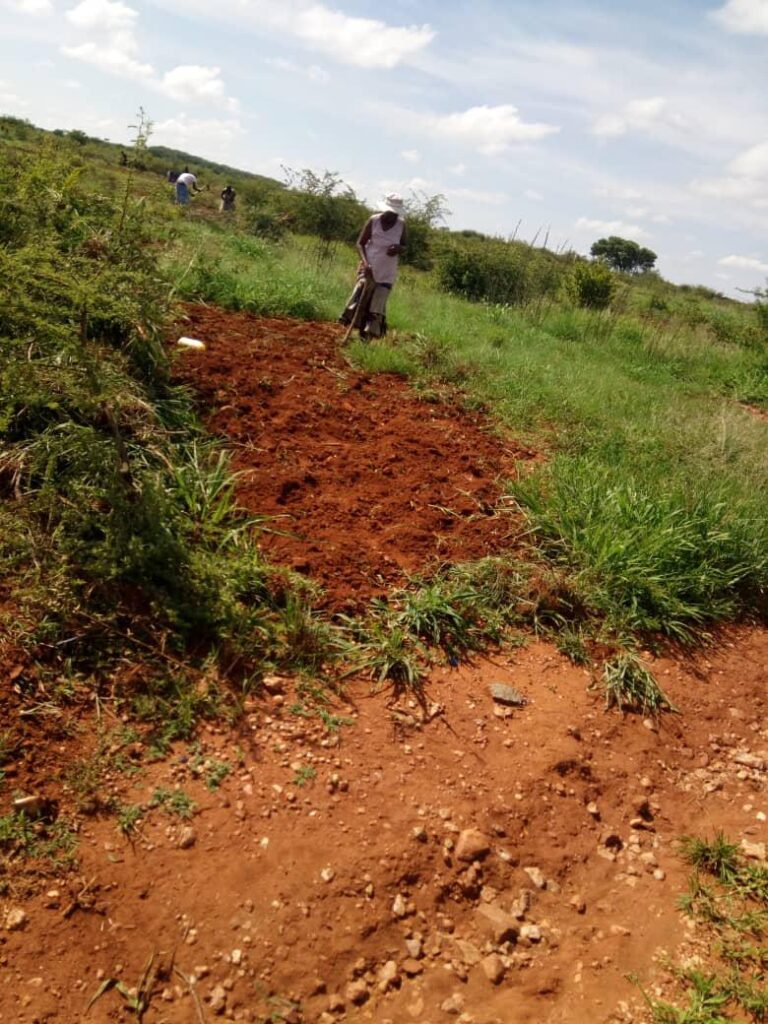
Zimbabwe could have higher than average rainfall in 2020-21 cropping season with a global agency predicting greater chances of positive outputs in the agricultural sector.
The Meteorological Services Department (MSD) Zimbabwe has also noted that there will be normal to above normal rainfall this cropping season and farmers may commence their farming season.
However, small scale farmers have lamented the high cost of farming inputs that are mostly sold in United States dollars, the currency that most of them do not have access to.
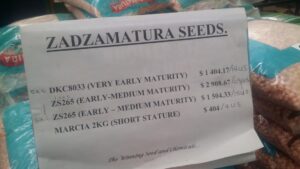
Two kilograms of maize seed short stature costs four (4) United States dollars equivalent to four hundred and four Zimbabwean RTGS (local currency) and ten kilograms early – medium maturity seed costing twenty nine United States dollars that is equivalent to 2908.67 Zimbabwean RTGS dollars.
A kilogram of fertilizer Compound D cost 3 United States dollars while lime costs 102 Zimbabwe RTGS that is equivalent to 1.05 United States dollars.
Mary Mpofu a small scale farmer in Bulawayo said the rains look promising than last year but it will be hard for her to go home and cultivate her land as inputs are expensive for her budget.”We are faced with a global pandemic that is COVID 19 that has left many of us jobless and having salary cuts. We have been relying on farming for many years. On holidays of December we would go home and cultivate our lands. This year it won’t be possible because of high cost of farming inputs and we don’t have money to purchase them” she further explained.
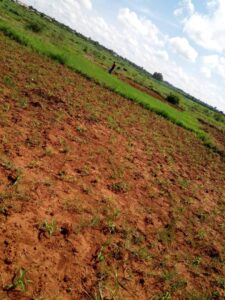
“I was very unfortunate that l did not receive free inputs from the government’s new Pfumvudza scheme as it was distributed on partisan bases. Now l’m suffering because l depend on farming and l don’t know how l’m going to manage to buy inputs. As l speak, it is raining but l cannot raise enough money to buy inputs for my whole land” said Mr. Ndlovu from Bulilima District.
Pfumvudza is a government program that targets the small holder farmers who are most vulnerable to the calamities and vagaries of climate change. Under this scheme, farmers are given inputs, namely, fertilizers, Compound D, Ammonium Nitrate, Lime, and maize seeds. Farmers are also advised by Extension Officers to practice zero tillage as a way of mitigating the drought. It has been adopted by the government as a measure to address the problems of low production and low profitability of farming which continue to negatively affect the food security situation in the country and in the process it is commercialization small scale farming in Zimbabwe.
Agriculture plays a crucial role in the lives of most Zimbabweans both in rural and urban areas as most survive on it.
Story written by Danis Ngwenya danisngwenya@yahoo.com +263773586444
 Gift Okello
 Devis Minja
 Emmanuel Gameli Dovia